
UNESCO World Heritage Sites in India (2026): Complete List of All 45 Heritage Sites

India is home to one of the world’s richest cultural and natural legacies. From magnificent monuments like the Taj Mahal and Qutub Minar to breathtaking natural wonders such as Kaziranga National Park and the Western Ghats, the country showcases thousands of years of history, art, architecture, biodiversity, and civilization.
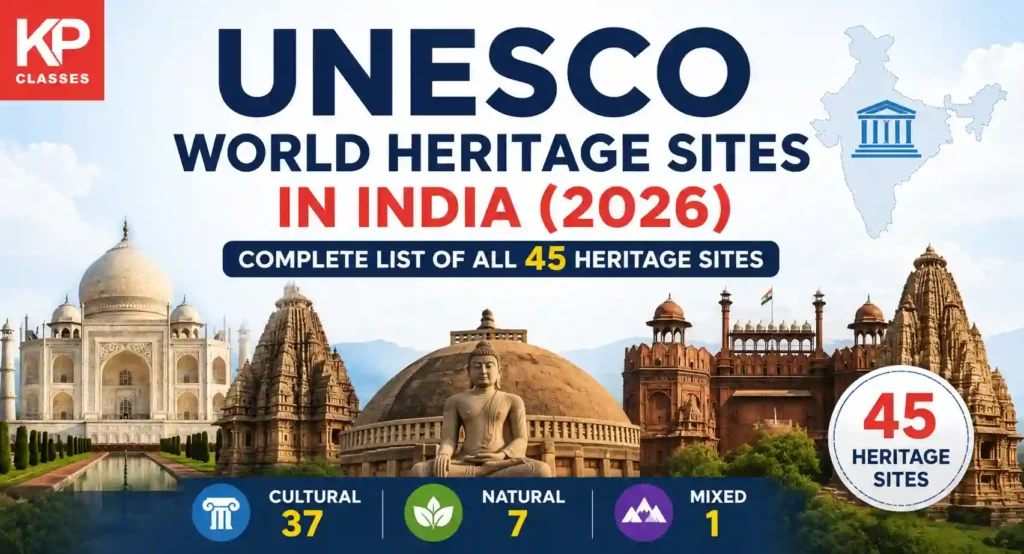
Among these remarkable places, 45 sites have been recognized as UNESCO World Heritage Sites as of 2026. These sites are considered to have Outstanding Universal Value (OUV) and are protected for future generations. They not only represent India’s glorious past but also contribute significantly to tourism, education, scientific research, and environmental conservation.
Whether you are a student, traveler, history enthusiast, or simply curious about India’s heritage, this guide provides everything you need to know about UNESCO World Heritage Sites in India.
In this comprehensive article, you’ll learn:
- What UNESCO is
- What a World Heritage Site means
- UNESCO’s selection criteria
- Complete list of all 45 World Heritage Sites in India
- Location, category, and year of inscription
- Detailed information about each heritage site
- Latest updates for 2026
- Frequently Asked Questions (FAQs)
Let’s begin.
What is UNESCO?
UNESCO stands for the United Nations Educational, Scientific and Cultural Organization. It was established on 16 November 1945 with the aim of promoting international cooperation through education, science, culture, and communication.
The organization believes that protecting cultural and natural heritage helps preserve humanity’s shared history and promotes peace across nations.
UNESCO currently works with more than 190 member countries, helping identify and protect important historical monuments, archaeological sites, forests, mountains, wildlife habitats, and cultural traditions.
One of UNESCO’s most prestigious initiatives is the World Heritage Programme, launched under the World Heritage Convention of 1972.
What is a UNESCO World Heritage Site?
A UNESCO World Heritage Site is a place recognized for its exceptional cultural or natural importance to humanity.
These sites are selected because they possess Outstanding Universal Value (OUV) and deserve protection not only by the country where they are located but also by the international community.
World Heritage Sites can include:
- Ancient temples
- Historical monuments
- Archaeological remains
- National parks
- Mountain ranges
- Forest ecosystems
- Sacred landscapes
- Biodiversity hotspots
Being included in the UNESCO World Heritage List increases global recognition, encourages conservation efforts, and boosts tourism while promoting sustainable development.

UNESCO World Heritage Selection Criteria
To be included in the UNESCO World Heritage List, a site must satisfy at least one of the ten official selection criteria.
These criteria are divided into two categories:
Cultural Criteria (i–vi)
A cultural site may be selected if it:
- Represents a masterpiece of human creativity.
- Demonstrates important cultural exchange.
- Bears exceptional testimony to a civilization.
- Represents significant architectural or technological achievements.
- Illustrates traditional human settlements.
- Is directly associated with historical events or living traditions.
Natural Criteria (vii–x)
Natural sites are selected based on:
- Exceptional natural beauty.
- Geological significance.
- Ecological processes.
- Biodiversity conservation.
- Endangered species protection.
Many famous national parks across the world are protected under these natural criteria.
Categories of UNESCO Heritage Sites
UNESCO classifies heritage sites into three categories.
1. Cultural Heritage Sites
These include monuments, temples, forts, caves, cities, archaeological sites, and historical buildings.
India has 37 Cultural Heritage Sites.
Examples include:
- Taj Mahal
- Red Fort
- Qutub Minar
- Ajanta Caves
- Hampi
2. Natural Heritage Sites
Natural heritage sites are protected because of their ecological, geological, or biological importance.
India has 7 Natural Heritage Sites.
Examples include:
- Kaziranga National Park
- Sundarbans National Park
- Western Ghats
3. Mixed Heritage Site
A mixed heritage site possesses both cultural and natural significance.
India currently has 1 Mixed World Heritage Site:
- Khangchendzonga National Park (Sikkim)

Complete List of 45 UNESCO World Heritage Sites in India (2026)
No. | Heritage Site | State/UT | Category | UNESCO Year |
|---|---|---|---|---|
1 | Agra Fort | Uttar Pradesh | Cultural | 1983 |
2 | Ajanta Caves | Maharashtra | Cultural | 1983 |
3 | Ellora Caves | Maharashtra | Cultural | 1983 |
4 | Taj Mahal | Uttar Pradesh | Cultural | 1983 |
5 | Sun Temple, Konark | Odisha | Cultural | 1984 |
6 | Churches and Convents of Goa | Goa | Cultural | 1986 |
7 | Khajuraho Group of Monuments | Madhya Pradesh | Cultural | 1986 |
8 | Group of Monuments at Hampi | Karnataka | Cultural | 1986 |
9 | Fatehpur Sikri | Uttar Pradesh | Cultural | 1986 |
10 | Group of Monuments at Pattadakal | Karnataka | Cultural | 1987 |
11 | Elephanta Caves | Maharashtra | Cultural | 1987 |
12 | Great Living Chola Temples | Tamil Nadu | Cultural | 1987 |
13 | Sundarbans National Park | West Bengal | Natural | 1987 |
14 | Nanda Devi and Valley of Flowers National Parks | Uttarakhand | Natural | 1988, 2005 |
15 | Buddhist Monuments at Sanchi | Madhya Pradesh | Cultural | 1989 |
16 | Humayun’s Tomb | Delhi | Cultural | 1993 |
17 | Qutub Minar and its Monuments | Delhi | Cultural | 1993 |
18 | Mountain Railways of India | West Bengal, Tamil Nadu, Himachal Pradesh | Cultural | 1999 |
19 | Mahabodhi Temple Complex | Bihar | Cultural | 2002 |
20 | Rock Shelters of Bhimbetka | Madhya Pradesh | Cultural | 2003 |
21 | Champaner-Pavagadh Archaeological Park | Gujarat | Cultural | 2004 |
22 | Chhatrapati Shivaji Maharaj Terminus | Maharashtra | Cultural | 2004 |
23 | Red Fort Complex | Delhi | Cultural | 2007 |
24 | Jantar Mantar, Jaipur | Rajasthan | Cultural | 2010 |
25 | Western Ghats | Multiple States | Natural | 2012 |
26 | Hill Forts of Rajasthan | Rajasthan | Cultural | 2013 |
27 | Great Himalayan National Park | Himachal Pradesh | Natural | 2014 |
28 | Rani ki Vav | Gujarat | Cultural | 2014 |
29 | Archaeological Site of Nalanda Mahavihara | Bihar | Cultural | 2016 |
30 | Khangchendzonga National Park | Sikkim | Mixed | 2016 |
31 | The Architectural Work of Le Corbusier (Chandigarh) | Chandigarh | Cultural | 2016 |
32 | Historic City of Ahmedabad | Gujarat | Cultural | 2017 |
33 | Victorian Gothic and Art Deco Ensembles of Mumbai | Maharashtra | Cultural | 2018 |
34 | Jaipur City | Rajasthan | Cultural | 2019 |
35 | Dholavira | Gujarat | Cultural | 2021 |
36 | Kakatiya Rudreshwara (Ramappa) Temple | Telangana | Cultural | 2021 |
37 | Santiniketan | West Bengal | Cultural | 2023 |
38 | Sacred Ensembles of the Hoysalas | Karnataka | Cultural | 2023 |
39 | Moidams – The Mound Burial System of the Ahom Dynasty | Assam | Cultural | 2024 |
40 | Keoladeo National Park | Rajasthan | Natural | 1985 |
41 | Kaziranga National Park | Assam | Natural | 1985 |
42 | Manas Wildlife Sanctuary | Assam | Natural | 1985 |
43 | Ancient Buddhist Site, Sarnath* | Uttar Pradesh | Cultural | 2026* |
44 | Group of Monuments at Mahabalipuram | Tamil Nadu | Cultural | 1984 |
45 | Maratha Military Landscapes of India | Maharashtra | Cultural | 2025 |
Important Note: Before publishing, verify the final entries against the latest official UNESCO World Heritage List. UNESCO updates its list periodically, and any recent inscriptions should be confirmed from the official World Heritage Centre to ensure the total of 45 sites reflects the current list accurately.
Detailed Information About UNESCO World Heritage Sites
1. Agra Fort (Uttar Pradesh)
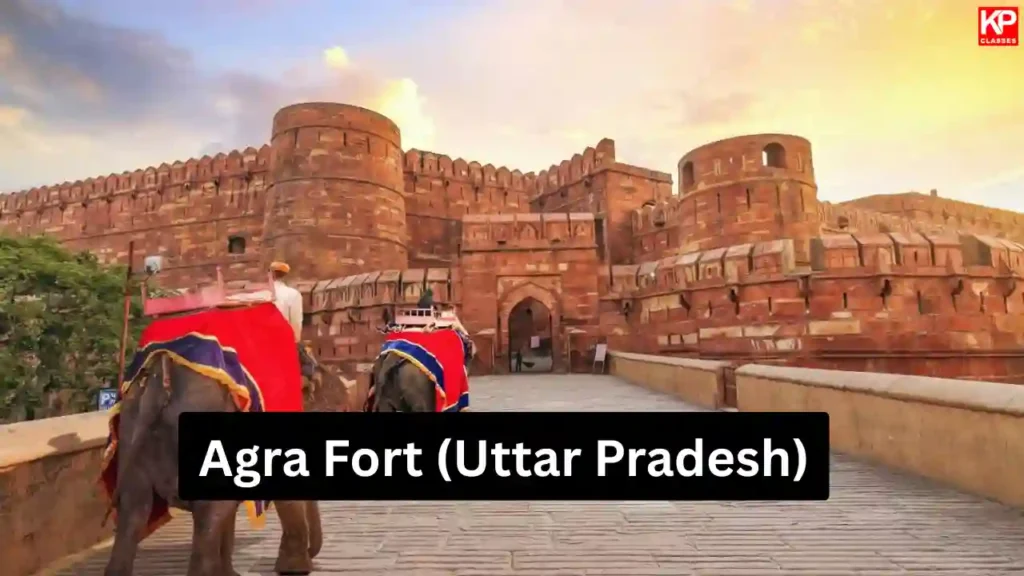
UNESCO Year: 1983
Category: Cultural
Located on the banks of the Yamuna River in Agra, Agra Fort is one of India’s most impressive Mughal forts. Constructed primarily by Emperor Akbar in the 16th century using red sandstone, the fort later served as the main residence of the Mughal emperors.
Within its massive walls lie several remarkable structures, including Jahangiri Mahal, Khas Mahal, Diwan-i-Aam, Diwan-i-Khas, Musamman Burj, and the Moti Masjid. The fort beautifully combines Persian, Islamic, and Indian architectural styles.
One of its most famous historical associations is that Emperor Shah Jahan spent the final years of his life imprisoned here by his son Aurangzeb, gazing at the nearby Taj Mahal.
Today, Agra Fort is one of the most visited heritage monuments in India and stands as a remarkable symbol of Mughal military architecture.
2. Ajanta Caves (Maharashtra)
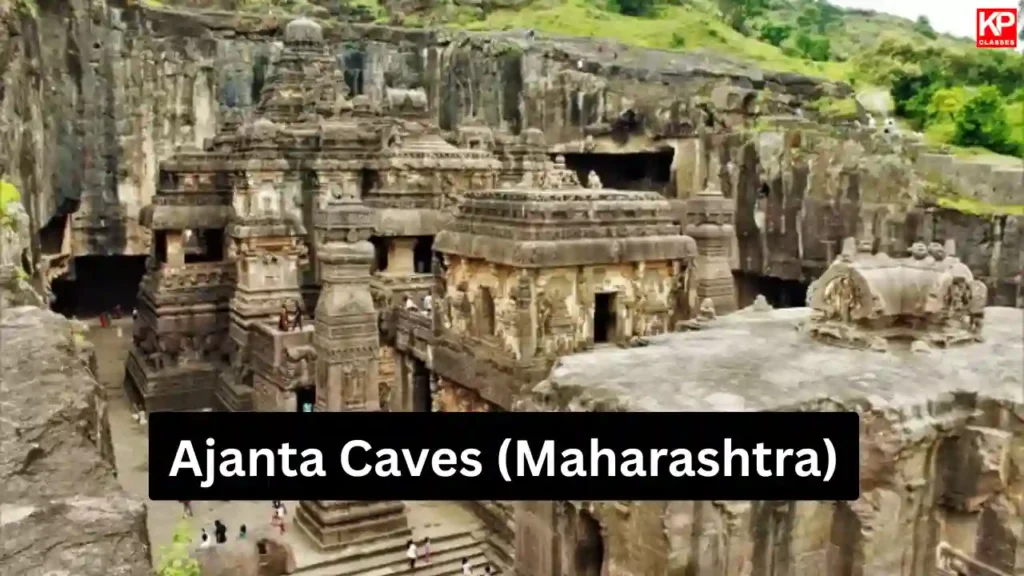
UNESCO Year: 1983
Category: Cultural
The Ajanta Caves are among the world’s finest examples of ancient Buddhist rock-cut architecture and painting. Carved into a horseshoe-shaped cliff overlooking the Waghora River, these caves date from the 2nd century BCE to the 6th century CE.
The complex consists of 30 caves, including monasteries (viharas) and prayer halls (chaityas). The caves are internationally renowned for their vibrant murals depicting the life of Gautama Buddha, Jataka tales, and scenes from ancient Indian society.
The paintings at Ajanta are celebrated for their artistic excellence, detailed expressions, and use of natural pigments that have survived for centuries.
Ajanta remains one of India’s greatest archaeological treasures and attracts visitors, historians, and art enthusiasts from around the globe.
3. Ellora Caves (Maharashtra)
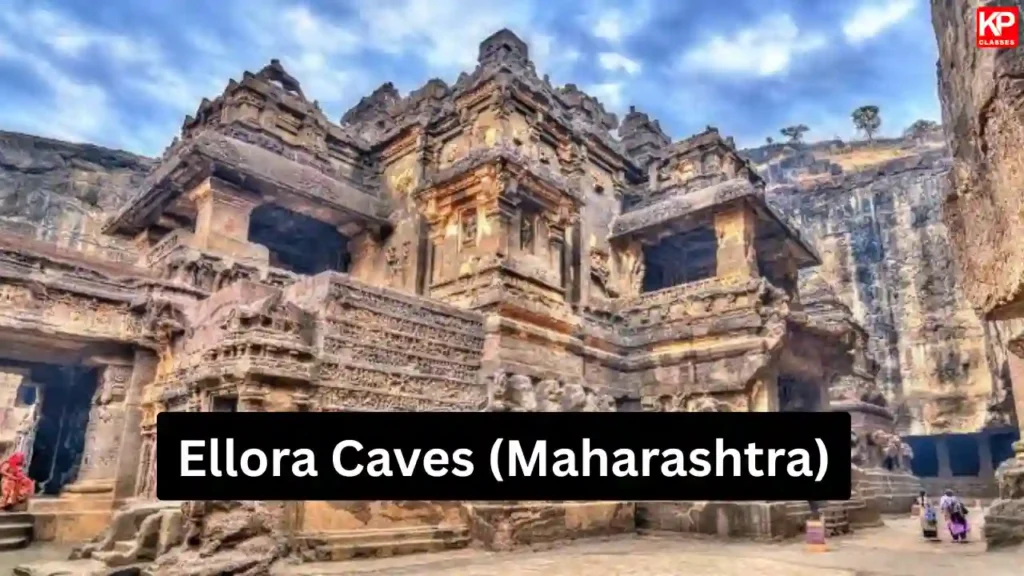
UNESCO Year: 1983
Category: Cultural
Located near Aurangabad, the Ellora Caves represent one of the finest examples of religious harmony in ancient India. The site includes 34 rock-cut caves dedicated to Buddhism, Hinduism, and Jainism, reflecting centuries of peaceful coexistence among different faiths.
The highlight of Ellora is the magnificent Kailasa Temple (Cave 16), a monolithic temple carved entirely from a single rock. It is considered one of the greatest engineering and artistic achievements in world history.
The sculptures, pillars, shrines, and intricate carvings throughout the caves demonstrate the exceptional craftsmanship of ancient Indian artisans.
Ellora stands as a testament to India’s architectural brilliance and cultural diversity.
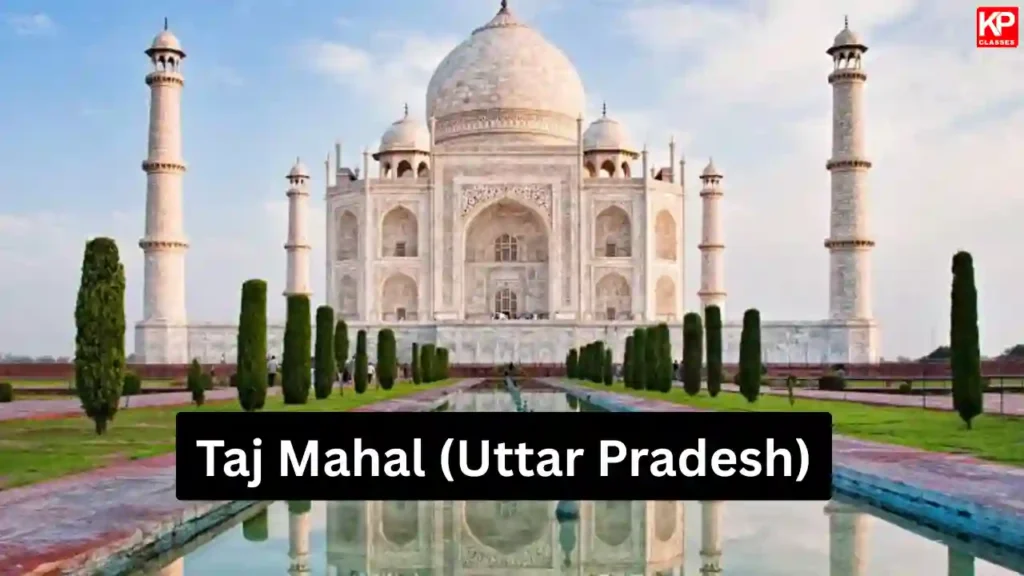
4. Taj Mahal (Uttar Pradesh)
UNESCO Year: 1983
Category: Cultural
Widely regarded as one of the most beautiful buildings ever constructed, the Taj Mahal is a masterpiece of Mughal architecture and a universal symbol of love.
Commissioned by Emperor Shah Jahan in memory of his wife Mumtaz Mahal, the monument was completed in the mid-17th century. Built entirely of white marble, it features exquisite inlay work, symmetrical gardens, elegant minarets, and a magnificent central dome.
The Taj Mahal combines Persian, Islamic, Turkish, and Indian architectural traditions into a harmonious design that has inspired architects worldwide.
Every year, millions of visitors travel from across the globe to admire its timeless beauty, making it one of India’s most iconic landmarks.
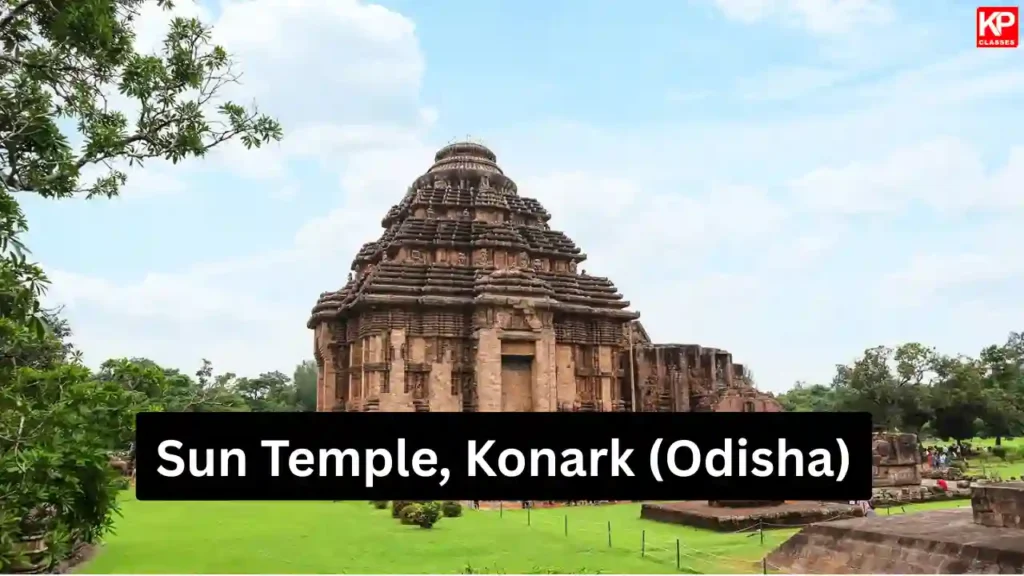
5. Sun Temple, Konark (Odisha)
UNESCO Year: 1984
Category: Cultural
The Sun Temple at Konark is one of India’s greatest architectural masterpieces. Built during the 13th century by King Narasimhadeva I, the temple was designed in the form of a gigantic stone chariot dedicated to Surya, the Sun God.
The structure features 24 intricately carved stone wheels and seven majestic horses symbolizing the movement of the sun across the sky. Every section of the temple showcases extraordinary sculptures depicting mythology, dance, music, nature, and everyday life.
Although parts of the temple have been damaged over time, it remains one of India’s most celebrated examples of Kalinga architecture.
Its artistic brilliance continues to attract historians, architects, photographers, and tourists from around the world.
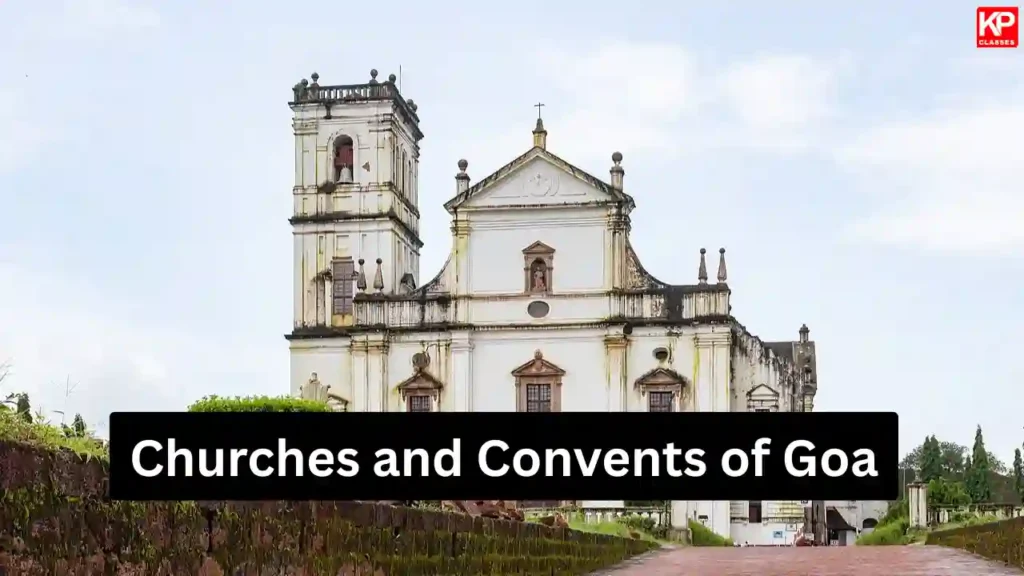
6. Churches and Convents of Goa
Location: Goa
UNESCO Year: 1986
Category: Cultural
The Churches and Convents of Goa represent the arrival and spread of Christianity in Asia during the Portuguese colonial period. Built mainly during the 16th and 17th centuries, these monuments showcase an exceptional blend of European Renaissance, Baroque, and Indian architectural influences.
The most famous monument in this group is the Basilica of Bom Jesus, which houses the mortal remains of St. Francis Xavier, one of the most influential Christian missionaries in Asia. Other important structures include Se Cathedral, Church of St. Francis of Assisi, Church of St. Cajetan, and the Convent of Santa Monica.
These churches feature magnificent altars, carved wooden interiors, beautiful frescoes, and impressive stone facades. They continue to function as active places of worship while attracting thousands of tourists, historians, and pilgrims every year.
The UNESCO recognition highlights Goa’s importance as a center of cultural exchange between Europe and Asia.
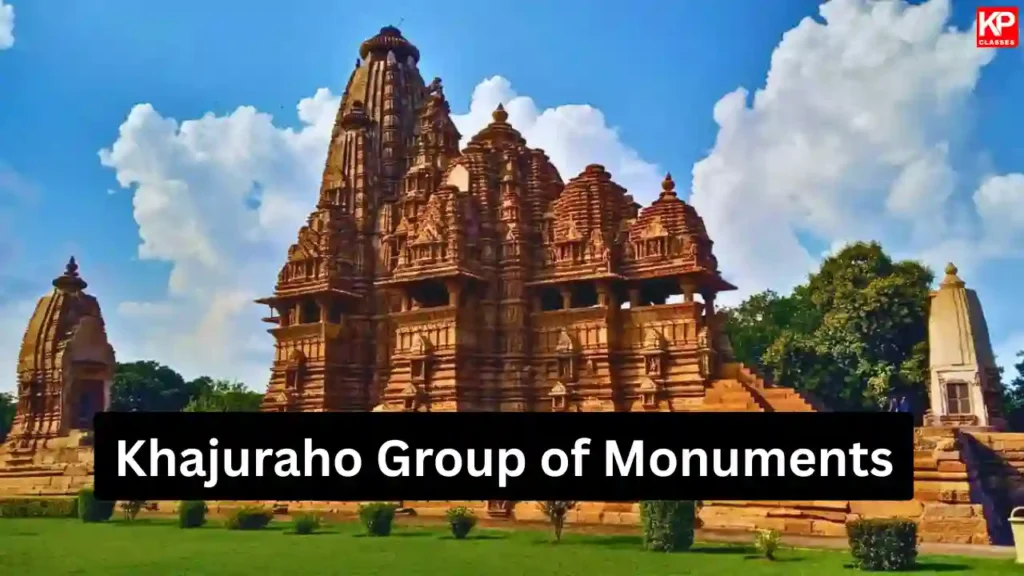
7. Khajuraho Group of Monuments
Location: Madhya Pradesh
UNESCO Year: 1986
Category: Cultural
The Khajuraho Group of Monuments is one of India’s finest examples of medieval temple architecture. Built by the Chandela dynasty between 950 and 1050 CE, these temples are renowned worldwide for their exquisite sculptures and artistic excellence.
Originally, Khajuraho consisted of around 85 temples, but only about 25 temples survive today. These temples are dedicated to Hinduism and Jainism and display intricate carvings depicting gods, goddesses, musicians, dancers, warriors, animals, and scenes from everyday life.
The site is especially famous for its beautifully carved sculptures that celebrate human emotions, spirituality, and various aspects of life. Contrary to popular belief, erotic sculptures form only a small portion of the overall artwork.
The temples are divided into Western, Eastern, and Southern Groups, with the Kandariya Mahadeva Temple being the most magnificent among them.
Today, Khajuraho is considered one of the greatest masterpieces of Indian temple architecture.
8. Group of Monuments at Hampi
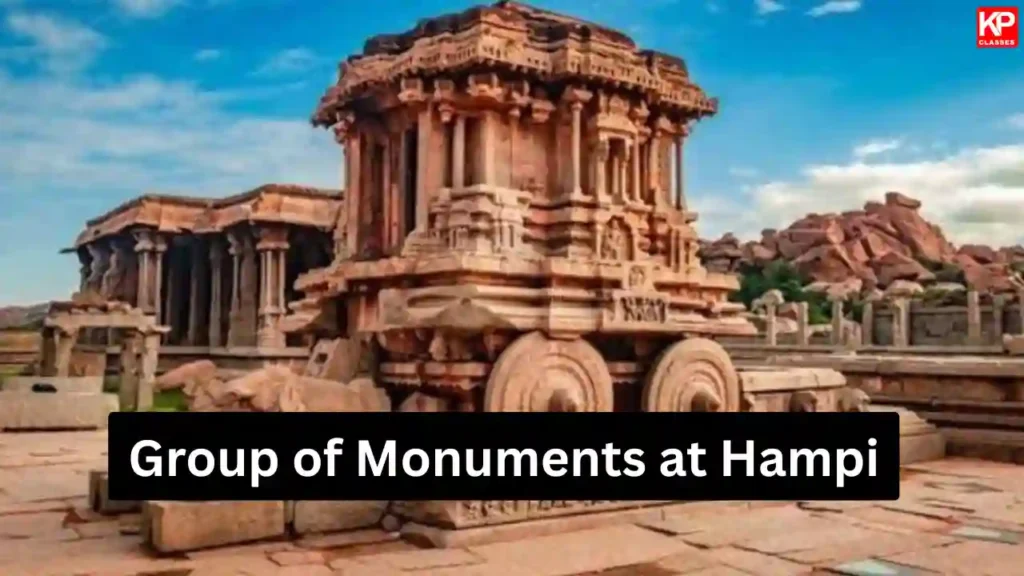
Location: Karnataka
UNESCO Year: 1986
Category: Cultural
Situated on the banks of the Tungabhadra River, Hampi was once the capital of the mighty Vijayanagara Empire, one of the richest kingdoms in medieval India.
Spread across more than 4,000 hectares, Hampi contains over 1,600 surviving monuments, including temples, palaces, markets, royal enclosures, water tanks, gateways, and massive stone sculptures.
The most iconic attraction is the Virupaksha Temple, which continues to function as an active place of worship even today. Other major attractions include the famous Stone Chariot, Vittala Temple, Lotus Mahal, Elephant Stables, and Hazara Rama Temple.
Hampi reflects the extraordinary urban planning, engineering skills, and artistic achievements of the Vijayanagara civilization.
Walking through Hampi feels like stepping back into one of the world’s greatest lost cities.
9. Fatehpur Sikri
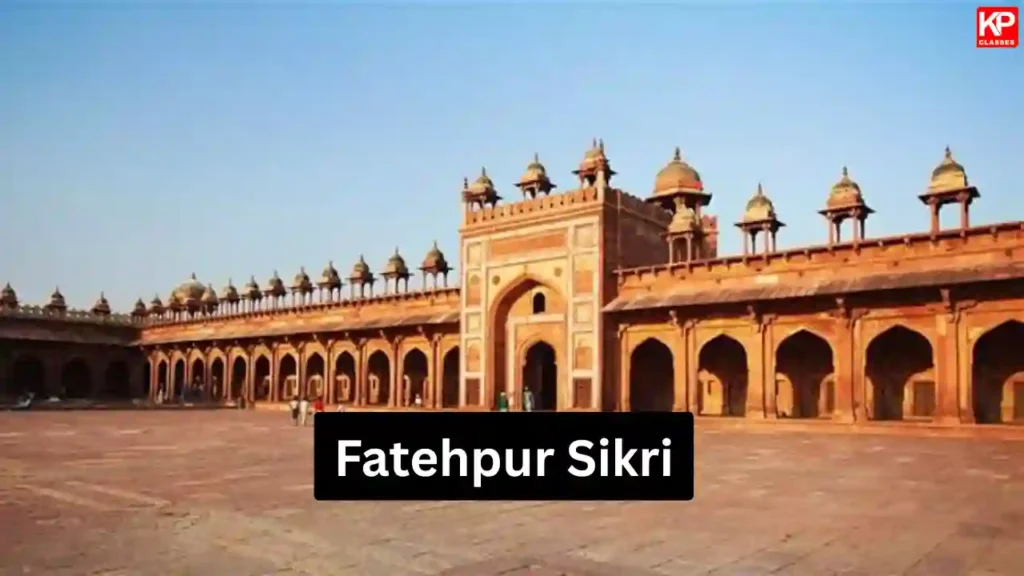
Location: Uttar Pradesh
UNESCO Year: 1986
Category: Cultural
Fatehpur Sikri was founded by Emperor Akbar in the late 16th century as the capital of the Mughal Empire.
Although it served as the capital for only about 15 years due to water shortages, the city remains one of the finest examples of Mughal urban planning and architecture.
Built primarily using red sandstone, Fatehpur Sikri includes magnificent structures such as:
- Buland Darwaza
- Jama Masjid
- Tomb of Sheikh Salim Chishti
- Panch Mahal
- Diwan-i-Khas
- Diwan-i-Aam
- Jodha Bai Palace
The city beautifully combines Persian, Islamic, Rajput, and Gujarati architectural styles.
Its impressive planning and harmonious architecture continue to fascinate visitors from around the world.
10. Group of Monuments at Pattadakal
Location: Karnataka
UNESCO Year: 1987
Category: Cultural
The Group of Monuments at Pattadakal represents the golden age of the Chalukya dynasty during the 7th and 8th centuries.
Pattadakal served as the royal coronation site of Chalukya kings and became an important center for temple architecture.
The site contains ten major temples, showcasing a remarkable fusion of the Dravidian (South Indian) and Nagara (North Indian) architectural styles.
Among the most famous temples are:
- Virupaksha Temple
- Mallikarjuna Temple
- Sangameshwara Temple
- Kashi Vishwanatha Temple
These temples feature detailed carvings depicting scenes from the Ramayana, Mahabharata, and various Hindu legends.
Pattadakal is regarded as an architectural bridge between northern and southern India.
11. Elephanta Caves
Location: Maharashtra
UNESCO Year: 1987
Category: Cultural
Located on Elephanta Island in Mumbai Harbour, the Elephanta Caves are among India’s most remarkable examples of rock-cut architecture.
Dating between the 5th and 8th centuries CE, the caves are primarily dedicated to Lord Shiva.
The most famous sculpture is the gigantic Trimurti Sadashiva, a 20-foot-high three-faced representation of Shiva symbolizing creation, preservation, and destruction.
Other sculptures depict:
- Nataraja
- Ardhanarishvara
- Gangadhara
- Ravana shaking Mount Kailash
- Yogeshwara Shiva
The caves demonstrate exceptional craftsmanship and religious symbolism, making them one of India’s most treasured archaeological sites.
Visitors reach Elephanta Island by ferry from the Gateway of India in Mumbai.
12. Great Living Chola Temples
Location: Tamil Nadu
UNESCO Year: 1987 (extended in 2004)
Category: Cultural
The Great Living Chola Temples celebrate the architectural brilliance of the Chola Empire.
This UNESCO property consists of three magnificent temples:
- Brihadisvara Temple (Thanjavur)
- Brihadisvara Temple (Gangaikonda Cholapuram)
- Airavatesvara Temple (Darasuram)
Constructed between the 11th and 12th centuries, these temples showcase advanced engineering, massive granite structures, towering vimanas, intricate sculptures, and sophisticated temple planning.
The Brihadisvara Temple at Thanjavur is particularly famous for its towering 66-meter vimana and enormous Nandi statue.
Even after nearly a thousand years, these temples continue to serve as active centers of worship, demonstrating the living cultural traditions of southern India.
13. Sundarbans National Park
Location: West Bengal
UNESCO Year: 1987
Category: Natural
The Sundarbans National Park forms part of the world’s largest mangrove forest, shared between India and Bangladesh.
It is best known as the home of the Royal Bengal Tiger, which has adapted remarkably to life in tidal mangrove forests.
The park also supports an extraordinary variety of wildlife, including:
- Saltwater crocodiles
- Fishing cats
- Spotted deer
- River dolphins
- Olive Ridley turtles
- Numerous migratory birds
The constantly changing network of rivers, creeks, mudflats, and mangrove forests creates one of the planet’s most unique ecosystems.
Apart from its biodiversity, the Sundarbans also plays a crucial role in protecting coastal communities from cyclones and storm surges.
14. Nanda Devi and Valley of Flowers National Parks
Location: Uttarakhand
UNESCO Year: 1988 (extended in 2005)
Category: Natural
Located in the Himalayas, this UNESCO site combines two spectacular protected areas:
- Nanda Devi National Park
- Valley of Flowers National Park
The region is renowned for its dramatic mountain landscapes, glaciers, alpine meadows, and exceptional biodiversity.
The Valley of Flowers becomes a breathtaking carpet of colorful blossoms during the monsoon season, attracting botanists and photographers from across the globe.
The parks provide habitat for rare Himalayan wildlife such as:
- Snow leopard
- Himalayan musk deer
- Blue sheep (bharal)
- Himalayan black bear
- Himalayan monal
Because of its fragile ecosystem, tourism is carefully regulated to preserve its natural beauty.
15. Buddhist Monuments at Sanchi
Location: Madhya Pradesh
UNESCO Year: 1989
Category: Cultural
The Buddhist Monuments at Sanchi are among the oldest surviving Buddhist structures in India.
The site was originally commissioned by Emperor Ashoka during the 3rd century BCE following his conversion to Buddhism.
Its most famous monument is the Great Stupa (Stupa No. 1), surrounded by beautifully carved gateways known as Toranas.
The carvings depict important events from the life of Buddha, Jataka tales, and symbols representing Buddhist philosophy.
Sanchi also includes monasteries, temples, pillars, and smaller stupas constructed over several centuries.
Unlike many Buddhist pilgrimage sites associated directly with Buddha’s life, Sanchi represents the evolution of Buddhist architecture and artistic traditions.
16. Humayun’s Tomb
Location: Delhi
UNESCO Year: 1993
Category: Cultural
Humayun’s Tomb was commissioned in 1565 by Empress Bega Begum, the widow of Mughal Emperor Humayun.
It was the first garden-tomb built in the Indian subcontinent, introducing the Persian-style Charbagh garden layout to Mughal architecture.
Constructed using red sandstone and white marble, the monument later inspired the design of the Taj Mahal.
The complex houses the tombs of several Mughal princes and emperors, making it one of Delhi’s most historically significant monuments.
Its elegant symmetry, beautiful arches, domes, and landscaped gardens continue to attract visitors from around the world.
17. Qutub Minar and its Monuments
Location: Delhi
UNESCO Year: 1993
Category: Cultural
Standing at 72.5 meters, the Qutub Minar is the tallest brick minaret in the world.
Construction began in 1192 under Qutb-ud-din Aibak and was later completed by his successors.
The UNESCO site includes several important monuments:
- Qutub Minar
- Quwwat-ul-Islam Mosque
- Iron Pillar
- Alai Darwaza
- Alai Minar
The Iron Pillar is particularly famous for its remarkable resistance to corrosion despite being over 1,600 years old.
The Qutub Complex reflects the early development of Indo-Islamic architecture in India.
18. Mountain Railways of India
Location: West Bengal, Tamil Nadu & Himachal Pradesh
UNESCO Year: 1999 (extensions in 2005 & 2008)
Category: Cultural
This UNESCO property celebrates India’s remarkable engineering achievements in railway construction through difficult mountain terrain.
It includes three historic railways:
- Darjeeling Himalayan Railway
- Nilgiri Mountain Railway
- Kalka-Shimla Railway
Built during the British colonial period, these railways use innovative engineering techniques, tunnels, bridges, steep gradients, and narrow-gauge tracks to navigate mountainous landscapes.
Today, they continue to operate, offering passengers unforgettable scenic journeys while preserving an important chapter of India’s transportation history.
19. Mahabodhi Temple Complex at Bodh Gaya
Location: Bihar
UNESCO Year: 2002
Category: Cultural
The Mahabodhi Temple Complex is one of the most sacred pilgrimage destinations for Buddhists worldwide.
According to Buddhist tradition, this is the place where Prince Siddhartha attained enlightenment beneath the sacred Bodhi Tree and became Gautama Buddha.
The temple complex includes:
- Mahabodhi Temple
- Sacred Bodhi Tree
- Vajrasana (Diamond Throne)
- Ancient monasteries
- Meditation gardens
The present temple, dating largely from the Gupta period, is considered one of the earliest surviving brick temples in India.
Pilgrims from across the globe visit Bodh Gaya to meditate and pay homage to this spiritually significant site.
20. Rock Shelters of Bhimbetka
Location: Madhya Pradesh
UNESCO Year: 2003
Category: Cultural
The Rock Shelters of Bhimbetka preserve one of the oldest records of human life in the Indian subcontinent.
Spread across the Vindhya Hills, the site contains more than 700 rock shelters, many featuring prehistoric paintings dating back over 30,000 years.
These paintings depict:
- Hunting scenes
- Dancing
- Music
- Animals
- Daily life
- Religious rituals
The shelters provide valuable evidence of the continuous evolution of human culture from the Paleolithic period to historical times.
Bhimbetka offers a fascinating glimpse into prehistoric life and remains one of India’s most important archaeological discoveries.
21. Champaner–Pavagadh Archaeological Park
Location: Gujarat
UNESCO Year: 2004
Category: Cultural
The Champaner–Pavagadh Archaeological Park is one of India’s most remarkable historical landscapes, showcasing a unique blend of Hindu and Islamic architecture. Located at the foothills of the Pavagadh Hill in Gujarat, the site preserves the remains of an ancient capital established by Sultan Mahmud Begada in the 15th century.
Spread over more than 1,300 hectares, the archaeological park includes forts, palaces, mosques, temples, residential areas, stepwells, water systems, and agricultural landscapes. One of its most celebrated monuments is the Jama Masjid, regarded as one of the finest examples of Indo-Islamic architecture in western India.
The site also contains the revered Kalika Mata Temple, an important Hindu pilgrimage destination situated atop Pavagadh Hill. This coexistence of monuments from different faiths highlights the region’s rich cultural heritage.
Champaner–Pavagadh is often described as a “living archaeological museum” because it preserves an entire medieval city rather than a single monument.
22. Chhatrapati Shivaji Maharaj Terminus (Formerly Victoria Terminus)
Location: Maharashtra
UNESCO Year: 2004
Category: Cultural
The Chhatrapati Shivaji Maharaj Terminus (CSMT) in Mumbai is one of India’s busiest railway stations and one of the world’s most iconic examples of Victorian Gothic Revival architecture.
Designed by British architect Frederick William Stevens, the station was completed in 1887 to commemorate Queen Victoria’s Golden Jubilee. Its design combines Victorian Gothic architecture with traditional Indian craftsmanship, creating a truly unique architectural masterpiece.
The building features:
- Magnificent stone carvings
- Decorative stained-glass windows
- Ornate domes and turrets
- Sculptures representing progress and commerce
- Intricately designed ironwork
Even today, millions of passengers use CSMT daily, making it one of the few UNESCO World Heritage Sites that continues to serve its original purpose.
23. Red Fort Complex
Location: Delhi
UNESCO Year: 2007
Category: Cultural
The Red Fort, locally known as Lal Qila, was built by Mughal Emperor Shah Jahan between 1638 and 1648 after shifting the imperial capital from Agra to Shahjahanabad (Old Delhi).
Constructed using red sandstone, the fort served as the political and ceremonial center of the Mughal Empire for nearly two centuries.
Important structures within the fort include:
- Lahori Gate
- Diwan-i-Aam
- Diwan-i-Khas
- Rang Mahal
- Moti Masjid
- Hayat Bakhsh Bagh
The Red Fort is deeply associated with India’s independence. Every year on 15 August, the Prime Minister of India hoists the national flag from the fort’s ramparts and addresses the nation.
Today, it stands as one of India’s most significant historical monuments and attracts millions of visitors annually.
24. Jantar Mantar, Jaipur
Location: Rajasthan
UNESCO Year: 2010
Category: Cultural
Built by Maharaja Sawai Jai Singh II in the early 18th century, Jantar Mantar is one of the world’s largest and best-preserved astronomical observatories.
The observatory contains 19 giant astronomical instruments designed to observe celestial bodies, measure time, predict eclipses, and determine planetary positions with remarkable accuracy.
Its most famous instrument is the Samrat Yantra, recognized as the world’s largest stone sundial.
Jantar Mantar demonstrates the advanced scientific knowledge and mathematical achievements of medieval India. Many of its instruments remain functional even today, making the observatory a fascinating destination for students, astronomers, and history enthusiasts.
25. Western Ghats
Location: Gujarat? ❌ No — Maharashtra, Goa, Karnataka, Kerala, Tamil Nadu (and small stretches associated with these ranges)
UNESCO Year: 2012
Category: Natural
The Western Ghats are among the world’s eight “hottest biodiversity hotspots” and one of India’s most important natural heritage regions.
Stretching for approximately 1,600 kilometers along India’s western coast, the mountain range is home to an extraordinary variety of plants and animals, many of which are found nowhere else on Earth.
The UNESCO property consists of 39 protected areas, including national parks, wildlife sanctuaries, and reserve forests.
The Western Ghats provide habitat for several endangered species, including:
- Lion-tailed macaque
- Nilgiri tahr
- Malabar civet
- Nilgiri langur
- Great hornbill
Besides supporting incredible biodiversity, these mountains influence India’s monsoon system and serve as the source of numerous rivers such as the Godavari, Krishna, and Kaveri.
26. Hill Forts of Rajasthan
Location: Rajasthan
UNESCO Year: 2013
Category: Cultural
The Hill Forts of Rajasthan represent the military architecture and royal heritage of the Rajput kingdoms.
This UNESCO property includes six magnificent forts:
- Chittorgarh Fort
- Kumbhalgarh Fort
- Ranthambore Fort
- Gagron Fort
- Amer Fort
- Jaisalmer Fort
These forts were strategically built on hills and desert landscapes to provide strong defense against invasions.
Inside the forts are royal palaces, temples, stepwells, reservoirs, gardens, and residential complexes that reflect the artistic excellence and engineering skills of the Rajputs.
Among them, Chittorgarh Fort is India’s largest fort, while Kumbhalgarh Fort is famous for its massive fortification wall, often called the second-longest continuous wall in the world after the Great Wall of China.
27. Great Himalayan National Park
Location: Himachal Pradesh
UNESCO Year: 2014
Category: Natural
Located in the Kullu region of Himachal Pradesh, the Great Himalayan National Park is one of India’s most pristine mountain ecosystems.
Spread across more than 1,170 square kilometers, the park encompasses alpine meadows, glaciers, forests, rivers, and snow-covered peaks.
It supports an impressive range of wildlife, including:
- Snow leopard
- Himalayan brown bear
- Himalayan tahr
- Blue sheep
- Musk deer
- Western tragopan
The park is also home to hundreds of medicinal plants and numerous bird species.
Because of its untouched natural beauty and ecological importance, the park plays a vital role in conserving Himalayan biodiversity.
28. Rani ki Vav
Location: Gujarat
UNESCO Year: 2014
Category: Cultural
Rani ki Vav, located in Patan, Gujarat, is one of the most spectacular stepwells ever built in India.
Constructed during the 11th century by Queen Udayamati in memory of King Bhimdev I, the stepwell served as both a water storage system and an architectural masterpiece.
Unlike ordinary wells, Rani ki Vav features multiple levels connected by beautifully carved staircases leading to the water source.
The monument contains over 500 principal sculptures and more than 1,000 smaller carvings, depicting Hindu deities, celestial beings, and mythological themes.
Its remarkable preservation and artistic excellence make it one of the finest examples of subterranean architecture in the world.
29. Archaeological Site of Nalanda Mahavihara
Location: Bihar
UNESCO Year: 2016
Category: Cultural
The Nalanda Mahavihara was one of the world’s earliest residential universities and an internationally renowned center of learning between the 5th and 12th centuries CE.
Students from India, China, Korea, Tibet, and Southeast Asia traveled to Nalanda to study subjects such as:
- Philosophy
- Medicine
- Astronomy
- Mathematics
- Logic
- Grammar
- Buddhist Studies
The archaeological remains include monasteries, temples, lecture halls, libraries, and meditation centers.
Nalanda symbolizes India’s ancient tradition of higher education and intellectual excellence.
30. Khangchendzonga National Park
Location: Sikkim
UNESCO Year: 2016
Category: Mixed
Khangchendzonga National Park is India’s only Mixed UNESCO World Heritage Site, recognized for both its natural beauty and cultural significance.
Named after Mount Khangchendzonga, the world’s third-highest mountain, the park features glaciers, alpine lakes, dense forests, rivers, and snow-covered peaks.
The region is home to rare wildlife such as:
- Snow leopard
- Red panda
- Himalayan black bear
- Musk deer
For the indigenous communities of Sikkim, the landscape is deeply sacred and closely linked with myths, legends, and spiritual traditions.
This unique combination of biodiversity and living cultural heritage makes the park globally significant.
31. The Architectural Work of Le Corbusier (Capitol Complex)
Location: Chandigarh
UNESCO Year: 2016
Category: Cultural
The Capitol Complex in Chandigarh forms part of the UNESCO property titled “The Architectural Work of Le Corbusier, an Outstanding Contribution to the Modern Movement.”
Designed by the legendary Swiss-French architect Le Corbusier, the complex represents one of the finest examples of modern urban planning and architecture in the 20th century.
Key structures include:
- High Court
- Legislative Assembly
- Secretariat
- Open Hand Monument
- Geometric Hill
- Tower of Shadows
The Capitol Complex symbolizes India’s vision of a modern nation after independence and remains one of the country’s most significant examples of contemporary architecture.
32. Historic City of Ahmedabad
Location: Gujarat
UNESCO Year: 2017
Category: Cultural
Founded in 1411 by Sultan Ahmed Shah, Ahmedabad became India’s first UNESCO World Heritage City.
The old city is famous for its narrow lanes known as Pols, beautifully carved wooden houses, bustling markets, mosques, temples, stepwells, and traditional community spaces.
Major attractions include:
- Jama Masjid
- Sidi Saiyyed Mosque
- Bhadra Fort
- Teen Darwaza
- Manek Chowk
Ahmedabad beautifully reflects centuries of coexistence between Hindu, Jain, and Islamic communities while preserving its traditional urban fabric.
33. Victorian Gothic and Art Deco Ensembles of Mumbai
Location: Maharashtra
UNESCO Year: 2018
Category: Cultural
This UNESCO property showcases two remarkable architectural styles that transformed Mumbai during the late 19th and early 20th centuries.
The Victorian Gothic buildings include landmarks such as:
- Bombay High Court
- University of Mumbai
- Rajabai Clock Tower
- Elphinstone College
The Art Deco district along Marine Drive features elegant residential and commercial buildings inspired by global architectural trends.
Together, these ensembles illustrate Mumbai’s transformation into one of Asia’s most important commercial cities while blending European design with Indian craftsmanship.
Their architectural harmony and historical significance make them one of the world’s finest urban heritage districts.
34. Jaipur City
Location: Rajasthan
UNESCO Year: 2019
Category: Cultural
Founded in 1727 by Maharaja Sawai Jai Singh II, Jaipur is India’s first planned city of the modern era. Designed by architect Vidyadhar Bhattacharya, the city follows the principles of Vastu Shastra and a well-organized grid pattern.
Popularly known as the Pink City, Jaipur is famous for its broad streets, markets, palaces, temples, and astronomical observatories. The city’s iconic landmarks include the Hawa Mahal, City Palace, Jantar Mantar, Albert Hall Museum, and the bustling bazaars of Johari and Bapu.
Jaipur represents a perfect blend of Rajput, Mughal, and European architectural traditions. Its vibrant culture, handicrafts, traditional festivals, and historical significance continue to attract millions of domestic and international tourists every year.
UNESCO recognized Jaipur for its outstanding urban planning, architectural heritage, and living cultural traditions.
35. Dholavira: A Harappan City
Location: Gujarat
UNESCO Year: 2021
Category: Cultural
Dholavira is one of the largest and best-preserved cities of the ancient Indus Valley Civilization (Harappan Civilization). Located on Khadir Island in the Rann of Kutch, the city flourished between 3000 BCE and 1500 BCE.
The archaeological remains reveal sophisticated urban planning that was far ahead of its time. The city was divided into the citadel, middle town, and lower town, each protected by massive fortifications.
One of Dholavira’s greatest achievements was its advanced water management system, which included reservoirs, channels, dams, and rainwater harvesting structures. Archaeologists have also discovered one of the earliest known signboards containing Harappan script.
Dholavira provides invaluable evidence of India’s ancient engineering, trade networks, and urban planning, making it one of the most significant archaeological discoveries in South Asia.
36. Kakatiya Rudreshwara (Ramappa) Temple
Location: Telangana
UNESCO Year: 2021
Category: Cultural
The Ramappa Temple, officially known as the Kakatiya Rudreshwara Temple, was constructed during the 13th century under the rule of the Kakatiya dynasty.
Dedicated to Lord Shiva, the temple is celebrated for its remarkable architectural innovation and artistic excellence. It was built using the unique sandbox foundation technique, which helped the structure withstand earthquakes and remain stable for centuries.
The temple’s beautifully carved pillars, intricately sculpted ceilings, elegant dancing figures, and richly decorated walls demonstrate the extraordinary craftsmanship of Kakatiya artisans.
Another fascinating feature is the use of lightweight porous bricks in the temple’s towering roof, reducing structural load while maintaining strength.
Ramappa Temple is widely regarded as one of the finest examples of medieval Indian temple architecture.
37. Santiniketan
Location: West Bengal
UNESCO Year: 2023
Category: Cultural
Santiniketan is closely associated with Nobel Laureate Rabindranath Tagore, who transformed it into an innovative center of education, art, literature, and culture.
Established in the late 19th century, Santiniketan later became the home of Visva-Bharati University, where learning took place in harmony with nature rather than within conventional classrooms.
The campus combines Indian traditions with global ideas, emphasizing creativity, music, fine arts, philosophy, literature, and cultural exchange.
Many of India’s leading artists, writers, musicians, and scholars studied or taught here. The campus architecture, murals, sculptures, and open-air learning environment continue to inspire educational institutions worldwide.
UNESCO recognized Santiniketan as a unique cultural landscape that reflects Tagore’s vision of universal education and humanism.
38. Sacred Ensembles of the Hoysalas
Location: Karnataka
UNESCO Year: 2023
Category: Cultural
The Sacred Ensembles of the Hoysalas include three magnificent temples constructed during the rule of the Hoysala dynasty in the 12th and 13th centuries.
The UNESCO property comprises:
- Chennakesava Temple, Belur
- Hoysaleswara Temple, Halebidu
- Keshava Temple, Somanathapura
These temples are renowned for their star-shaped platforms, highly detailed sculptures, intricate carvings, and sophisticated stone craftsmanship.
Every wall, pillar, and ceiling is decorated with scenes from the Ramayana, Mahabharata, Bhagavata Purana, dance forms, animals, floral patterns, and everyday life.
The extraordinary precision achieved by Hoysala sculptors makes these temples among the finest examples of Indian stone architecture.
39. Moidams – The Mound Burial System of the Ahom Dynasty
Location: Assam
UNESCO Year: 2024
Category: Cultural
The Moidams are royal burial mounds built by the rulers of the Ahom Dynasty, which governed large parts of Assam for nearly six centuries.
Located primarily in the Charaideo district, these burial mounds served as the final resting places of Ahom kings, queens, princes, and important nobles.
Each Moidam consists of underground burial chambers surrounded by earthen mounds and landscaped areas. The construction reflects a unique blend of local traditions, Tai-Ahom beliefs, and sophisticated engineering.
The Moidams provide valuable insights into the funerary practices, political organization, religious beliefs, and cultural identity of the Ahom civilization.
UNESCO recognized the site for preserving an exceptional and distinctive cultural tradition that has no parallel elsewhere in India.
40. Keoladeo National Park
Location: Rajasthan
UNESCO Year: 1985
Category: Natural
Keoladeo National Park, formerly known as Bharatpur Bird Sanctuary, is one of the world’s most important wetlands for migratory birds.
Spread across approximately 29 square kilometers, the park supports hundreds of bird species throughout the year.
During winter, thousands of migratory birds arrive from Central Asia, Europe, and Siberia. The sanctuary has historically been famous for sightings of the critically endangered Siberian Crane, although sightings have become extremely rare.
Other notable species include painted storks, pelicans, spoonbills, eagles, ducks, geese, herons, and kingfishers.
The park’s carefully managed wetlands provide ideal breeding and feeding habitats, making it a paradise for birdwatchers and wildlife photographers.
41. Kaziranga National Park
Location: Assam
UNESCO Year: 1985
Category: Natural
Kaziranga National Park is internationally renowned for conserving the world’s largest population of the Greater One-Horned Rhinoceros.
Situated along the floodplains of the Brahmaputra River, the park contains grasslands, wetlands, forests, and river ecosystems that support exceptional biodiversity.
Kaziranga is also home to:
- Royal Bengal Tiger
- Asian Elephant
- Wild Water Buffalo
- Swamp Deer
- Gangetic River Dolphin
- Numerous reptiles and bird species
Recognized as a Tiger Reserve and an Important Bird Area, Kaziranga is one of India’s greatest wildlife conservation success stories.
Annual flooding, although challenging, plays a crucial role in maintaining the ecological health of the park.
42. Manas Wildlife Sanctuary
Location: Assam
UNESCO Year: 1985
Category: Natural
Located at the foothills of the Eastern Himalayas along the India–Bhutan border, Manas Wildlife Sanctuary is one of the richest biodiversity regions in South Asia.
The sanctuary contains tropical forests, grasslands, wetlands, and river ecosystems supporting numerous endangered species, including:
- Bengal Tiger
- Indian Elephant
- Pygmy Hog
- Golden Langur
- Hispid Hare
- Wild Buffalo
Manas is recognized not only as a UNESCO World Heritage Site but also as a Tiger Reserve, Biosphere Reserve, and Project Elephant Reserve.
Following years of conservation efforts, wildlife populations in the sanctuary have shown encouraging recovery, making it an outstanding example of successful ecosystem restoration.
43. Ancient Buddhist Site, Sarnath
Location: Uttar Pradesh
UNESCO Year: 2026
Category: Cultural
Located near Varanasi, Sarnath is one of the holiest pilgrimage destinations in Buddhism.
According to Buddhist tradition, it was here that Gautama Buddha delivered his first sermon, known as the Dhammacakkappavattana Sutta, after attaining enlightenment at Bodh Gaya. This event marked the beginning of the Buddhist Sangha and the spread of Buddhism across the world.
The archaeological complex includes several significant monuments such as:
- Dhamek Stupa
- Chaukhandi Stupa
- Ashokan Pillar
- Ancient monasteries
- Temple ruins
- Sarnath Archaeological Museum
The famous Lion Capital of Ashoka, adopted as the National Emblem of India, was discovered at Sarnath.
Recognizing its immense historical, archaeological, and spiritual importance, UNESCO inscribed the Ancient Buddhist Site, Sarnath on the World Heritage List in 2026, increasing the total number of UNESCO World Heritage Sites in India to 45.
44. Group of Monuments at Mahabalipuram
Location: Tamil Nadu
UNESCO Year: 1984
Category: Cultural
The Group of Monuments at Mahabalipuram, also known as Mamallapuram, is one of India’s finest examples of Dravidian architecture. Built during the 7th and 8th centuries CE by the Pallava dynasty, the site includes rock-cut caves, monolithic temples, structural temples, and magnificent stone sculptures.
Its most famous monuments include the Shore Temple, Pancha Rathas (Five Rathas), and Arjuna’s Penance, one of the world’s largest open-air rock reliefs. Located on the Coromandel Coast, Mahabalipuram was an important ancient port that connected India with Southeast Asia through maritime trade.
Today, the site is admired for its exceptional craftsmanship, historical significance, and contribution to the development of South Indian temple architecture.
45. Maratha Military Landscapes of India
Location: Maharashtra & Tamil Nadu
UNESCO Year: 2025
Category: Cultural
The Maratha Military Landscapes of India were inscribed on the UNESCO World Heritage List in 2025 for their outstanding military architecture and strategic planning. This UNESCO property includes twelve historic forts built by the Maratha Empire between the 17th and 19th centuries, many of which are associated with Chhatrapati Shivaji Maharaj.
These forts, including Raigad, Rajgad, Pratapgad, Sindhudurg, Lohagad, Panhala, and Gingee Fort, showcase advanced fortification techniques, water management systems, and defensive architecture. Spread across hills, coastal regions, and islands, they symbolize the military strength, engineering excellence, and rich historical legacy of the Maratha Empire.
Interesting Facts About UNESCO World Heritage Sites in India
- India currently has 45 UNESCO World Heritage Sites, making it one of the countries with the highest number of World Heritage Sites globally.
- Ancient Buddhist Site of Sarnath became India’s latest UNESCO World Heritage Site in 2026.
- Maratha Military Landscapes of India was inscribed in 2025.
- Khangchendzonga National Park is India’s only Mixed World Heritage Site.
- Taj Mahal is India’s most internationally recognized UNESCO World Heritage Site.
- Dholavira is one of the best-preserved cities of the Indus Valley Civilization.
- Kaziranga National Park is home to the world’s largest population of the Greater One-Horned Rhinoceros.
- Ajanta Caves contain some of the finest surviving Buddhist paintings in the world.
- Mountain Railways of India include three historic railways that continue to operate today.
- Historic City of Ahmedabad became India’s first UNESCO World Heritage City in 2017.
Frequently Asked Questions (FAQs)
1. How many UNESCO World Heritage Sites are there in India?
As of 2026, India has 45 UNESCO World Heritage Sites, including 37 Cultural, 7 Natural, and 1 Mixed Heritage Site.
2. Which is the latest UNESCO World Heritage Site in India?
The Ancient Buddhist Site of Sarnath was inscribed on the UNESCO World Heritage List in 2026.
3. Which state has the highest number of UNESCO World Heritage Sites?
Maharashtra has the highest number of UNESCO World Heritage Sites, including Ajanta Caves, Ellora Caves, Elephanta Caves, Chhatrapati Shivaji Terminus, Victorian Gothic & Art Deco Ensembles of Mumbai, and the Maratha Military Landscapes of India.
4. How many Cultural Heritage Sites are there in India?
India has 37 Cultural World Heritage Sites recognized by UNESCO.
5. How many Natural Heritage Sites are there in India?
India has 7 Natural World Heritage Sites.
6. Which is India’s only Mixed UNESCO World Heritage Site?
Khangchendzonga National Park in Sikkim is India’s only Mixed World Heritage Site.
7. Which is India’s first UNESCO World Heritage Site?
India’s first UNESCO World Heritage Sites were Agra Fort, Ajanta Caves, Ellora Caves, and the Taj Mahal, all inscribed in 1983.
Latest Job’s
- UNESCO World Heritage Sites in India (2026): Complete List of All 45 Heritage Sites
- AAI Manager Architecture Recruitment 2026 | Apply Now | Eigibility Ceriteria | Selection Process | Salary etc.
- NCRTC Transport Planner Recruitment 2026: Sr. Deputy General Manager & Assistant Manager Vacancy | Apply Online
- BDA Recruitment 2026: Senior Assistant Planner, Assistant Planner & Architect Vacancy | Apply Online
- TGPSC Assistant Director of Town Planning Recruitment 2026 | Apply Online for 10 Vacancies | Salary ₹58,850–₹1,37,050