
Trending Thesis Topics for Architecture Students

The architectural thesis represents the most critical academic milestone in an architecture student’s journey. It is not simply a design project but a synthesis of research, theory, context, technology, and personal design philosophy. Unlike studio projects that often respond to predefined briefs, a thesis demands independent thinking, problem identification, and long-term conceptual development.
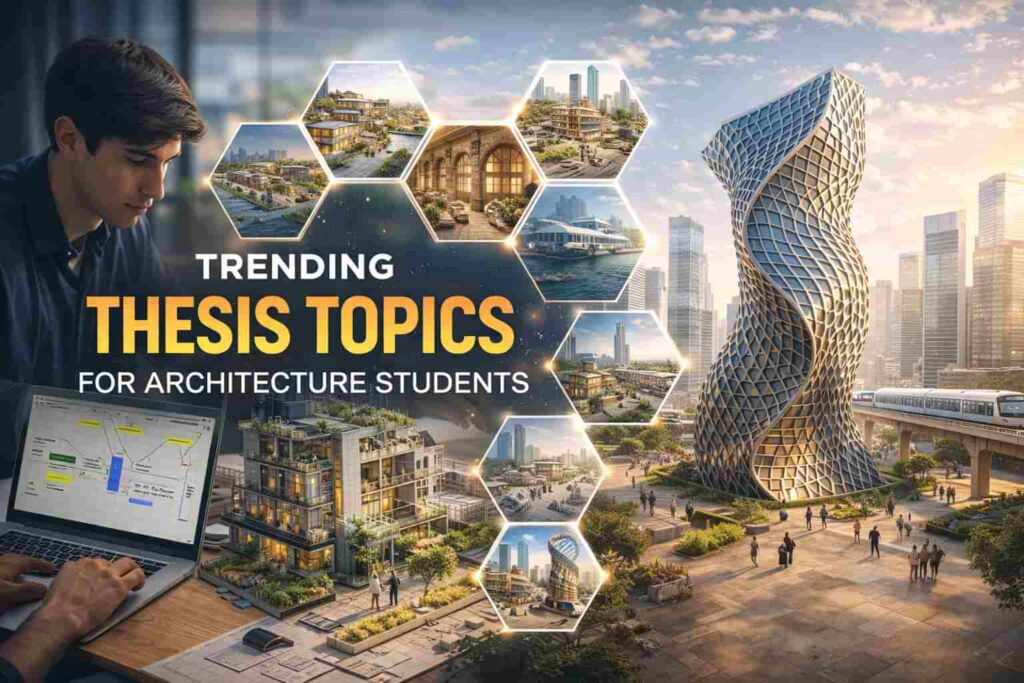
In recent years, architectural thesis topics have shifted significantly. Students are no longer confined to iconic buildings or isolated design problems. Instead, contemporary thesis work engages with global challenges, local contexts, and emerging technologies, reflecting architecture’s expanding role in society.
Selecting a relevant and forward-looking thesis topic is essential—not only for academic success but also for building a strong professional foundation.
1. Sustainable and Climate-Responsive Architecture
Sustainability has evolved from being a design add-on to a fundamental architectural responsibility. Modern thesis projects in this domain investigate how buildings can actively respond to climate rather than merely reduce environmental damage.

Students increasingly explore architecture as a passive–active system, where form, orientation, materials, and technology work together to reduce energy consumption and enhance comfort.
In-depth thesis explorations often focus on:
These topics require strong climatic analysis, material research, and performance-based design thinking, making them academically rigorous and highly relevant.

2. Urban Design, Density, and Future Cities
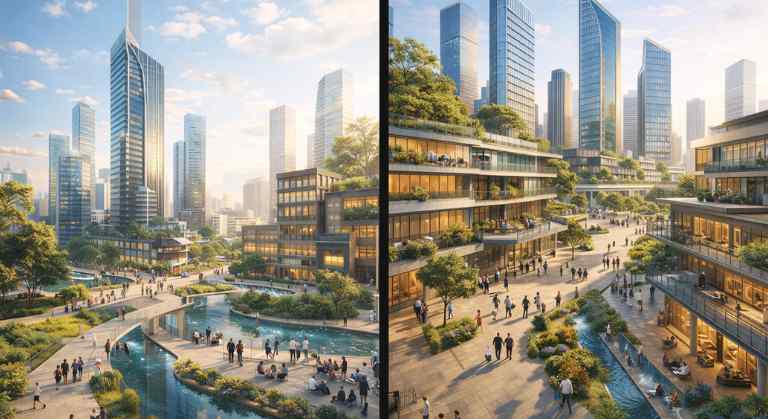
As cities grow denser and more complex, architectural thesis projects are increasingly addressing urban-scale challenges. These topics move beyond individual buildings to explore how architecture shapes public life, infrastructure, and social interaction.
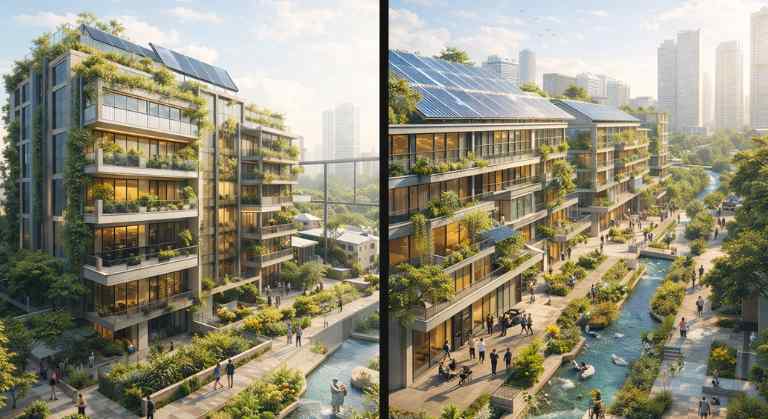
Students working in this area often analyze existing urban problems before proposing future-ready solutions. Issues such as congestion, lack of public spaces, and fragmented urban fabric frequently inform these projects.
Key research directions include:
Such thesis topics demonstrate an understanding of architecture’s role within larger urban systems.
3. Adaptive Reuse and Architectural Conservation
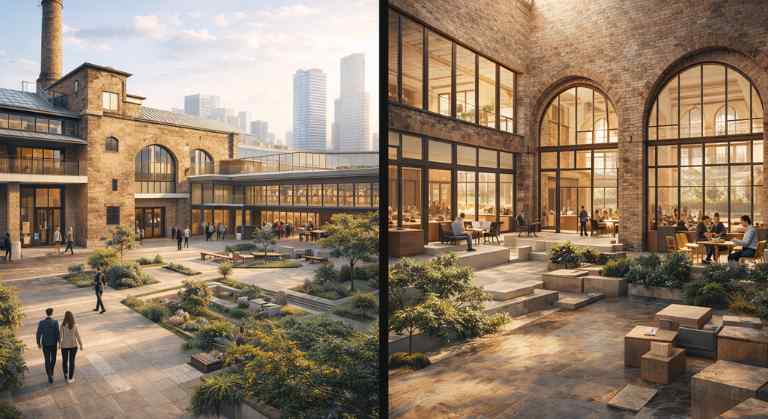
Adaptive reuse has become one of the most intellectually rewarding thesis domains. Rather than starting from a blank slate, students engage with existing structures, histories, and materials.
These projects demand sensitivity toward context while allowing creative reinterpretation. Students must balance preservation with innovation, making design decisions that respect the past while addressing contemporary needs.
Common adaptive reuse themes include:
This category strengthens research skills and contextual design thinking, both crucial for professional practice.

4. Housing, Community, and Social Architecture
Housing remains one of the most pressing architectural concerns worldwide. Thesis topics in this area explore how architecture can address affordability, dignity, and social cohesion.
Rather than focusing only on unit design, students increasingly investigate housing as a system, considering social, economic, and cultural factors.
Popular research directions include:
These topics often involve user studies, policy analysis, and participatory design approaches.
5. Parametric, Algorithmic, and Computational Design
With the integration of digital tools into architectural practice, parametric design has emerged as a strong thesis domain. These topics emphasize logic, rules, and data-driven processes rather than static form-making.
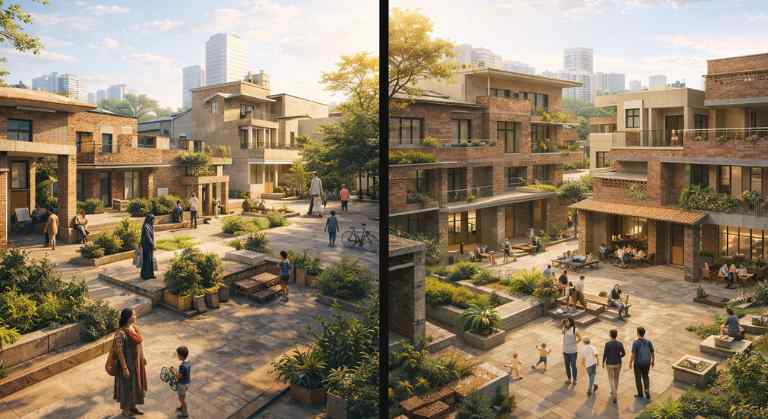
Students explore how computational methods can improve performance, efficiency, and adaptability in architecture.
Detailed thesis investigations may include:
Successful theses in this area demonstrate clarity of logic, not just visual complexity.
6. Architecture and Emerging Technologies
Technology-driven thesis topics examine how digital systems influence spatial experience and building performance. These projects often blur boundaries between architecture, engineering, and computer science.
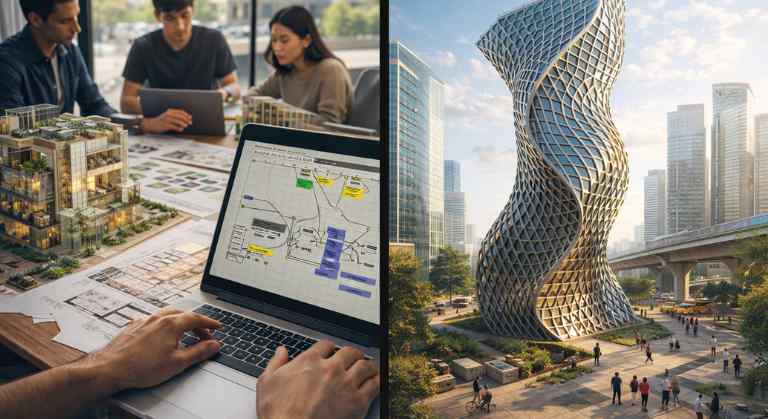
Students explore how built environments can become more responsive and intelligent through technology.
Key areas of exploration include:
Such topics prepare students for future-oriented architectural practice.
7. Healthcare, Wellness, and Healing Spaces
The relationship between architecture and human well-being has gained renewed importance. Thesis topics in this category investigate how spatial design influences physical, mental, and emotional health.
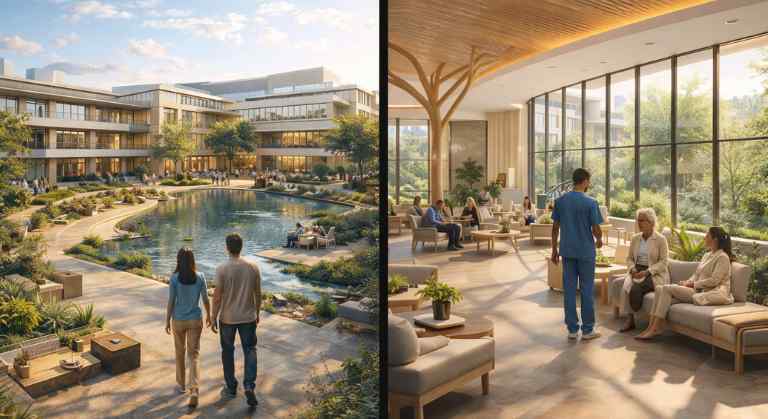
Students often combine architectural design with research from psychology, medicine, and environmental studies.
Common thesis themes include:
These projects emphasize user experience, comfort, and healing environments.
8. Educational, Cultural, and Civic Architecture
Institutional buildings continue to be popular thesis choices due to their social and symbolic significance. Contemporary theses, however, approach these typologies with a focus on flexibility, inclusivity, and community engagement.

Students frequently work on:
These topics allow exploration of spatial hierarchy, public interaction, and architectural narrative.
9. Landscape-Integrated and Ecological Architecture
Architecture today increasingly engages with landscape rather than dominating it. Thesis topics in this domain explore the integration of built form with natural systems.

Students often examine:
Such topics promote interdisciplinary thinking and environmental sensitivity.
10. Experimental and Speculative Architecture
Some thesis projects adopt speculative or future-oriented narratives. While conceptual, these topics are grounded in research and critical inquiry.
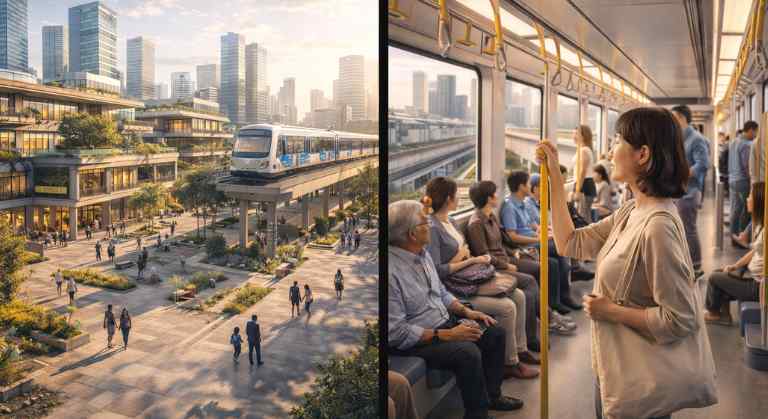
Examples include:
These projects test architectural imagination while maintaining logical frameworks.
Choosing a Strong Thesis Topic
A successful thesis topic balances personal interest, research depth, and design feasibility. The strongest topics emerge from clear questions rather than predefined answers.
A well-chosen topic:
Conclusion
Trending thesis topics in architecture reflect a discipline in transition—one that is increasingly responsible, interdisciplinary, and future-focused. Today’s most impactful thesis projects are those that combine strong research with thoughtful design, responding meaningfully to environmental, social, and technological challenges.
By selecting a topic rooted in contemporary relevance and rigorous inquiry, architecture students can create thesis projects that are academically strong, intellectually rewarding, and professionally valuable.